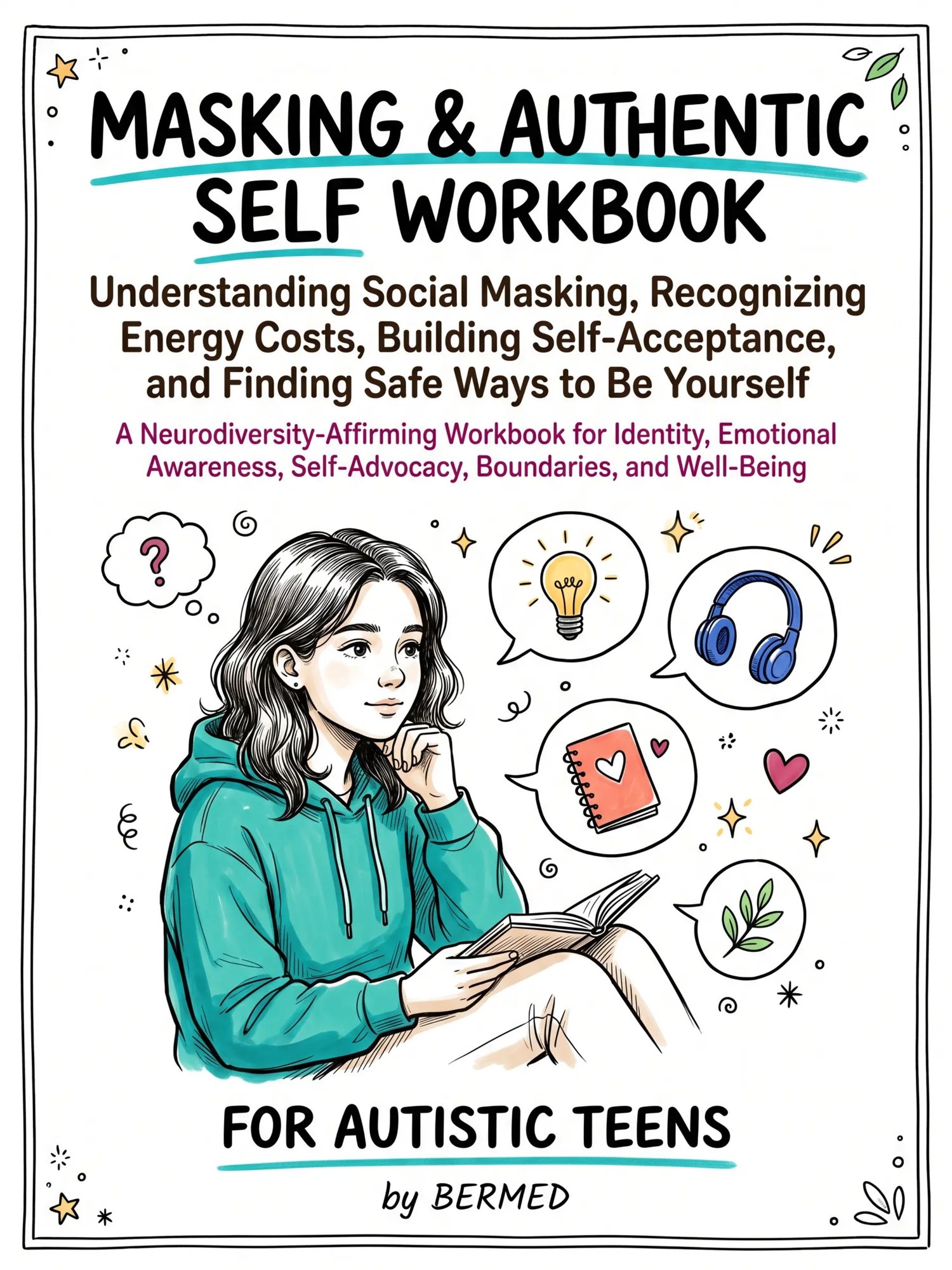
Masking & Authentic Self Workbook for Autistic Teens : Understanding Social Masking, Energy Costs, Self-Acceptance, Boundaries & Self-Advocacy
A comprehensive 50-page neurodiversity-affirming workbook designed to help autistic teens explore social masking, understand its impact on their energy and well-being, recognize their individual needs, and develop safer ways to express their authentic selves.
Rather than presenting masking as a behavior that simply needs to be stopped, this workbook encourages curiosity, self-understanding, choice, and self-compassion. Teens are invited to notice when and why they mask, identify the personal costs and benefits, understand their sensory and communication needs, and decide what authenticity and safety mean for them.
Through engaging visual worksheets, reflection activities, personal maps, checklists, scripts, planning tools, and creative prompts, students can explore their experiences at their own pace.
What’s Inside
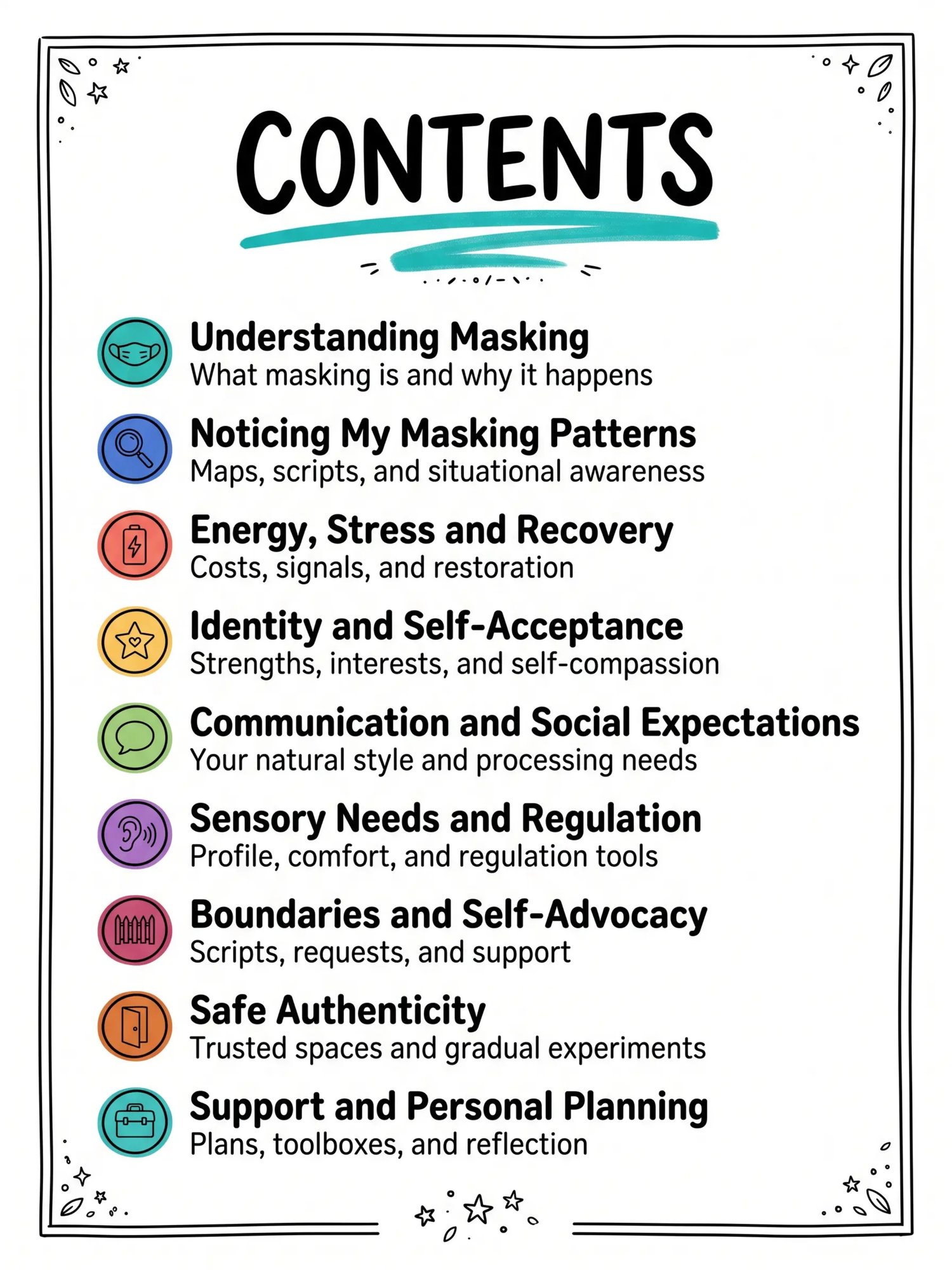
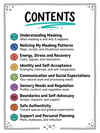
The workbook is organized around 9 key areas:
1. Understanding Masking
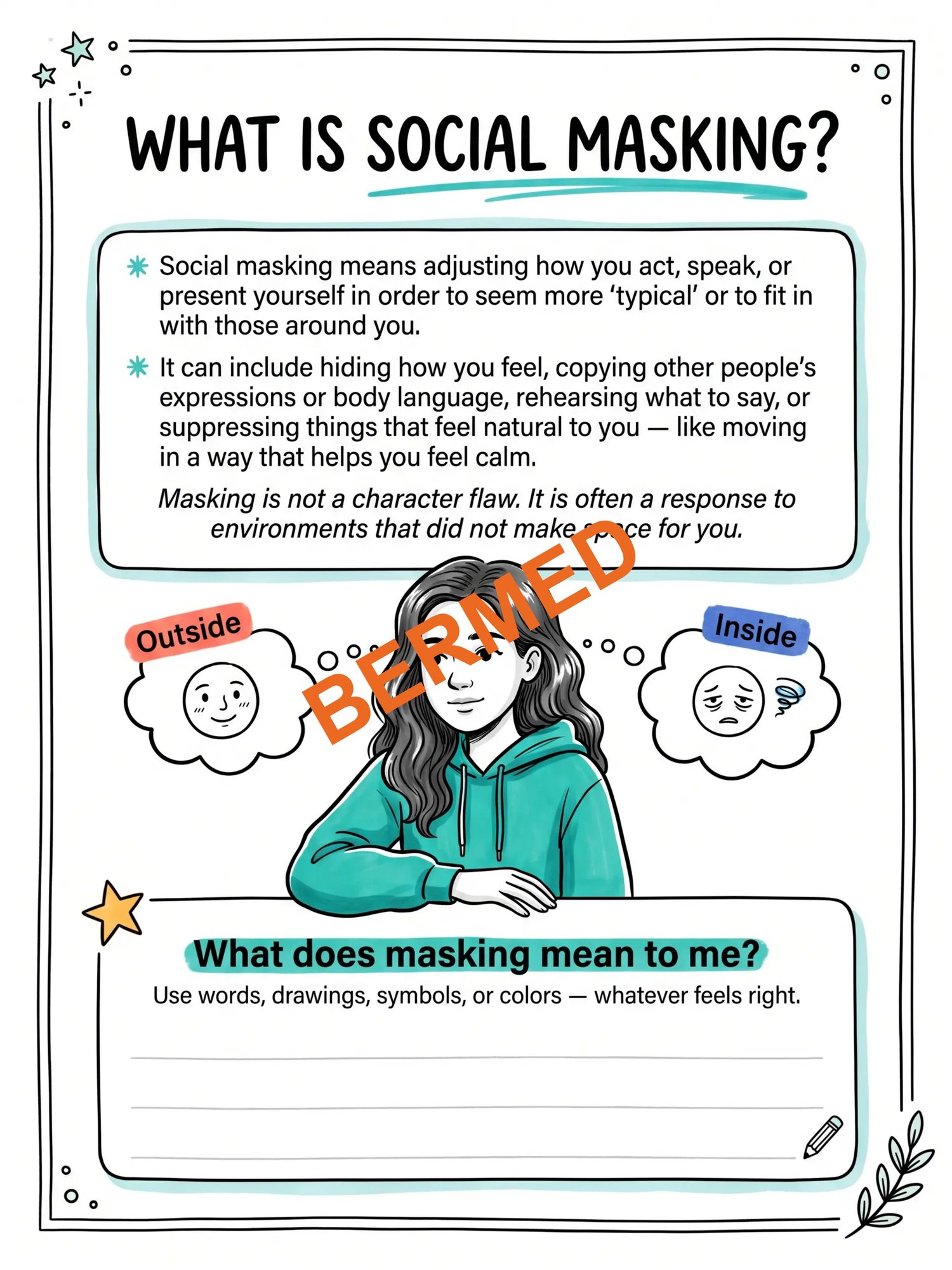
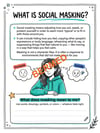
- What social masking means
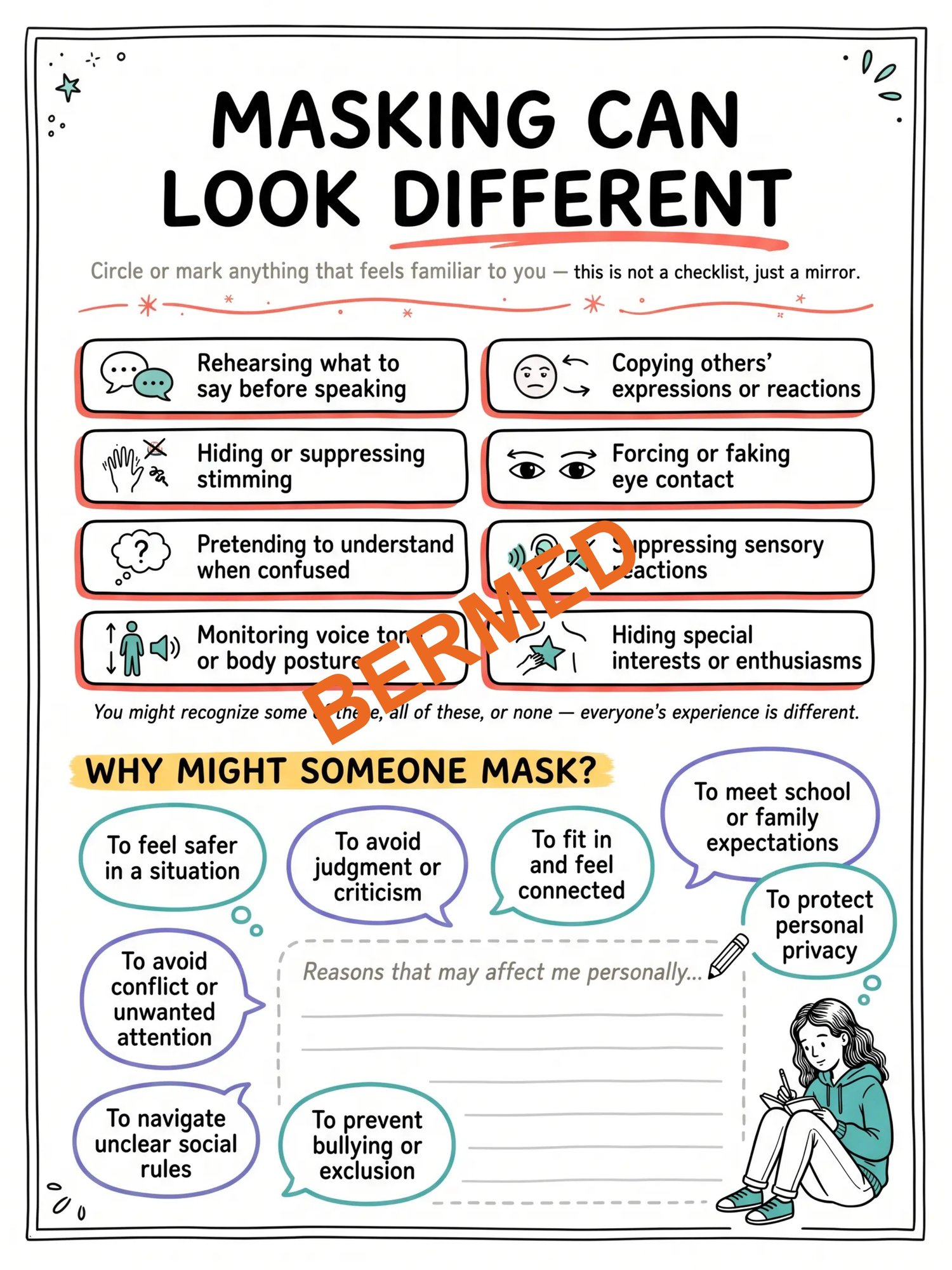
- Why autistic people may mask
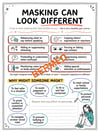
- Recognizing different forms of masking
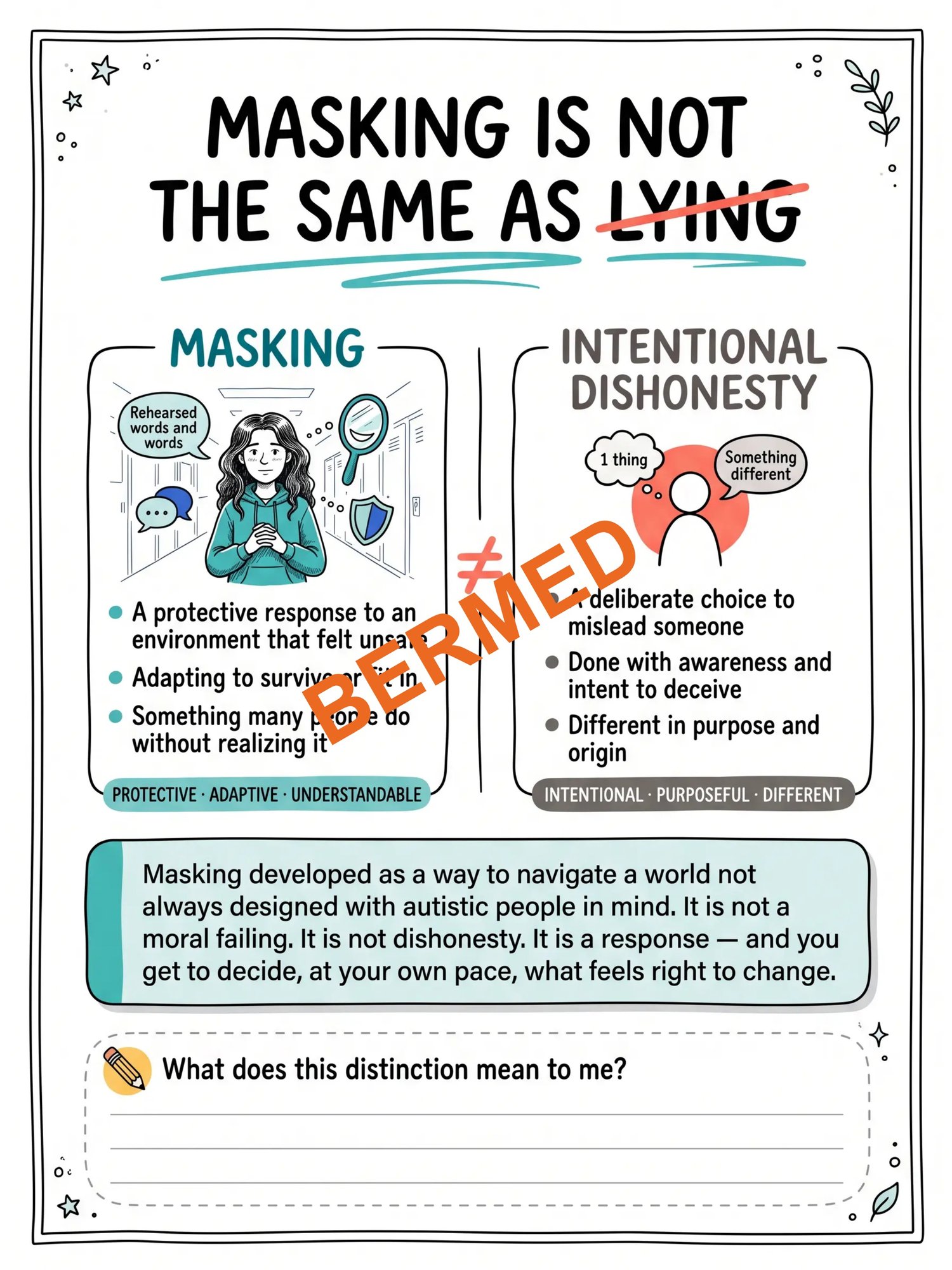
- Understanding masking as an adaptive or protective response
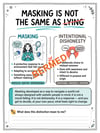
- Masking vs. intentional dishonesty
2. Noticing My Masking Patterns
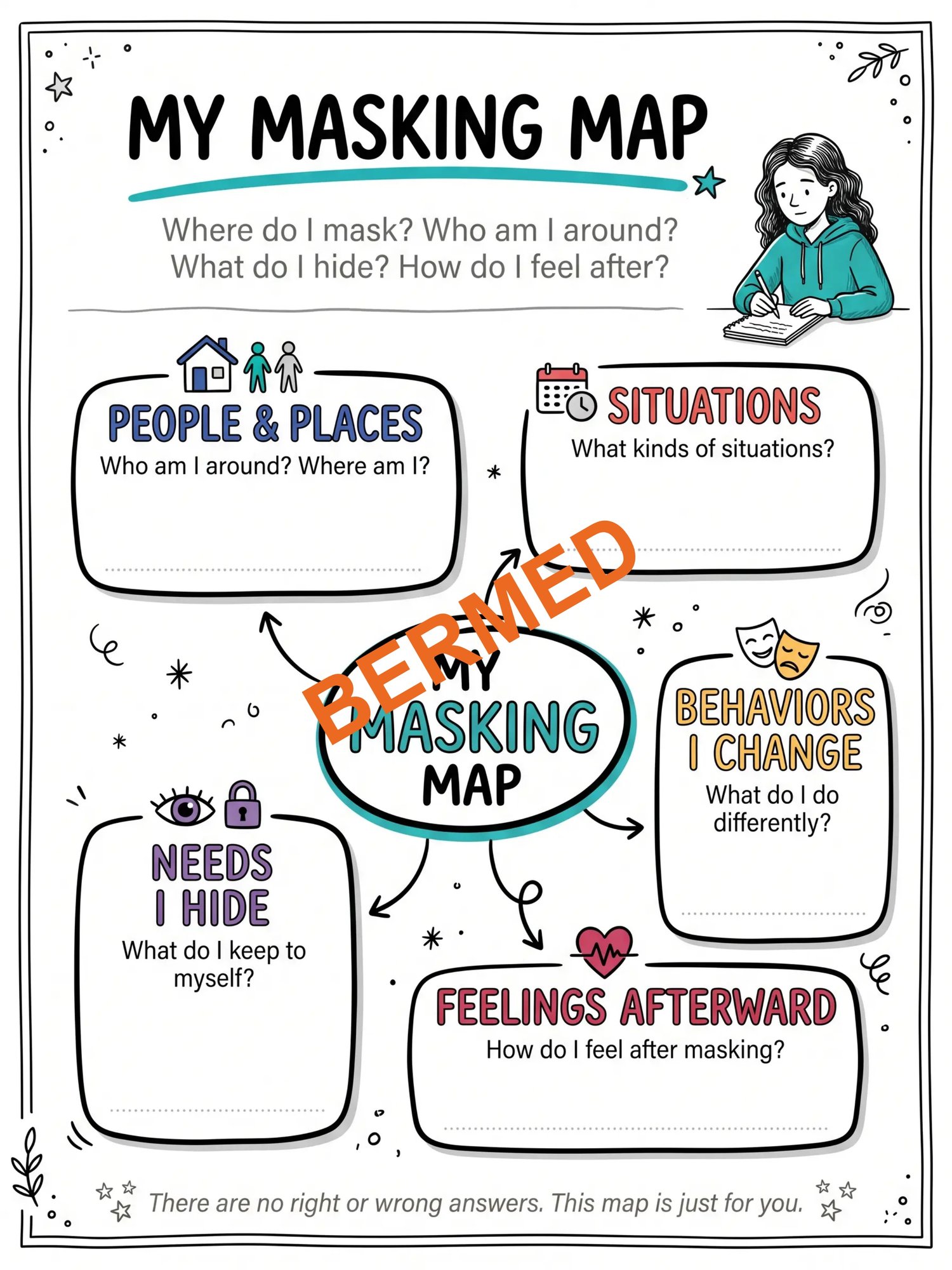
- Identifying where and when masking happens
- Recognizing people, places, and situations connected to masking
- Exploring behaviors that may change around others
- Identifying needs that may be hidden
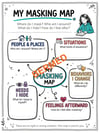
- Creating a personal Masking Map
3. Energy, Stress & Recovery
- Understanding the energy cost of masking
- Recognizing signs of stress and exhaustion
- Exploring what drains and restores energy
- Identifying personal recovery needs
- Building supportive recovery strategies
4. Identity & Self-Acceptance
- Exploring strengths, interests, preferences, and identity
- Separating personal worth from social expectations
- Building self-understanding and self-compassion
- Recognizing the value of natural ways of being
5. Communication & Social Expectations
- Exploring natural communication styles
- Recognizing pressure to perform socially
- Identifying processing and communication needs
- Finding more comfortable ways to communicate
6. Sensory Needs & Regulation
- Recognizing personal sensory needs
- Understanding sensory comfort and overload
- Exploring regulation strategies
- Identifying tools and environments that support well-being
7. Boundaries & Self-Advocacy
- Recognizing personal limits and boundaries
- Identifying when support is needed
- Practicing ways to communicate needs
- Developing self-advocacy scripts
- Asking for accommodations and support
8. Safe Authenticity
- Exploring where authenticity feels safe
- Identifying trusted people and environments
- Understanding that unmasking does not have to happen everywhere
- Experimenting gradually with authentic self-expression
- Respecting personal safety, privacy, and choice
9. Support & Personal Planning
- Identifying trusted support people
- Building personalized support toolboxes
- Creating plans for difficult situations
- Reflecting on what has been learned
- Developing strategies for ongoing self-understanding and well-being
Flexible & Teen-Friendly
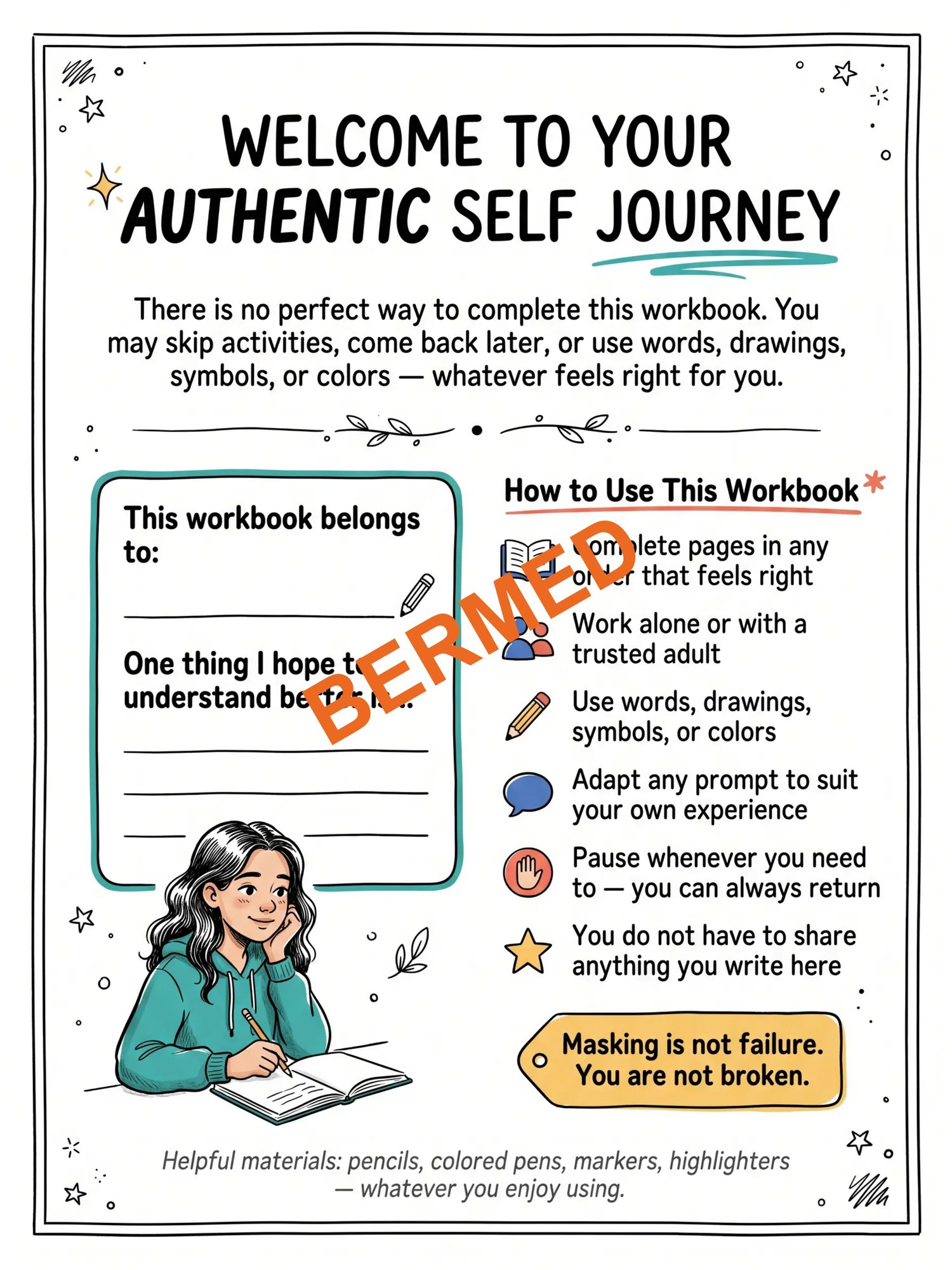
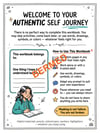
Activities can be completed using words, drawings, symbols, colors, short responses, or discussion. Teens can work independently or alongside a trusted adult and may skip, adapt, or return to activities depending on their comfort and needs.
This workbook can be useful for Autistic Teens, Special Education Teachers, School Counselors, Psychologists, Therapists, Parents, Caregivers, and other professionals supporting neurodivergent young people.
50 Pages | Neurodiversity-Affirming | Autistic Teens | Masking Awareness | Identity & Self-Acceptance | Sensory Regulation | Boundaries | Self-Advocacy | Printable PDF
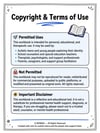
This workbook is a reflective and educational resource and is not a substitute for individualized professional mental health, medical, diagnostic, or therapeutic support.