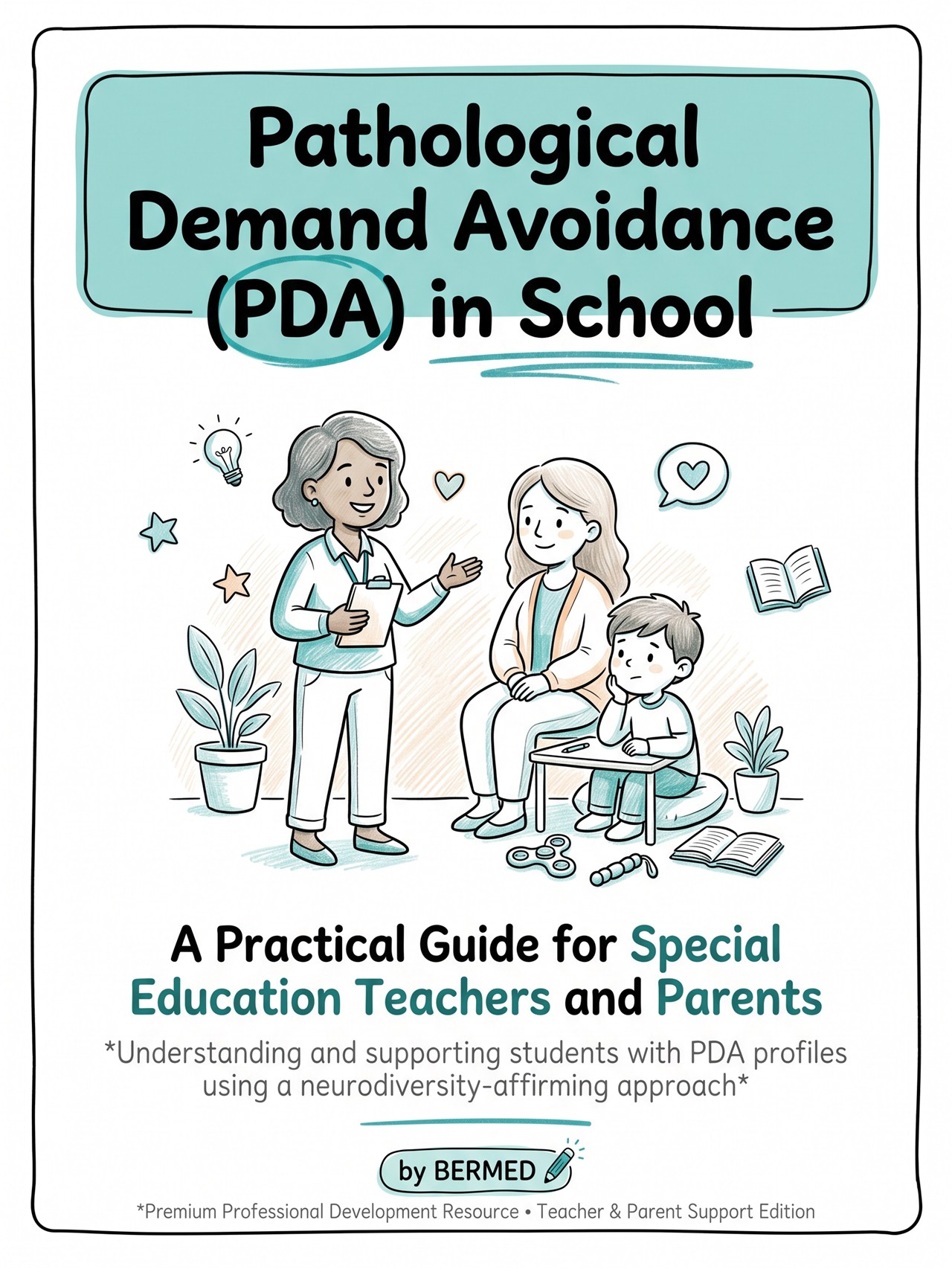


Pathological Demand Avoidance (PDA) in School : A Practical Guide for Special Education Teachers and Parents
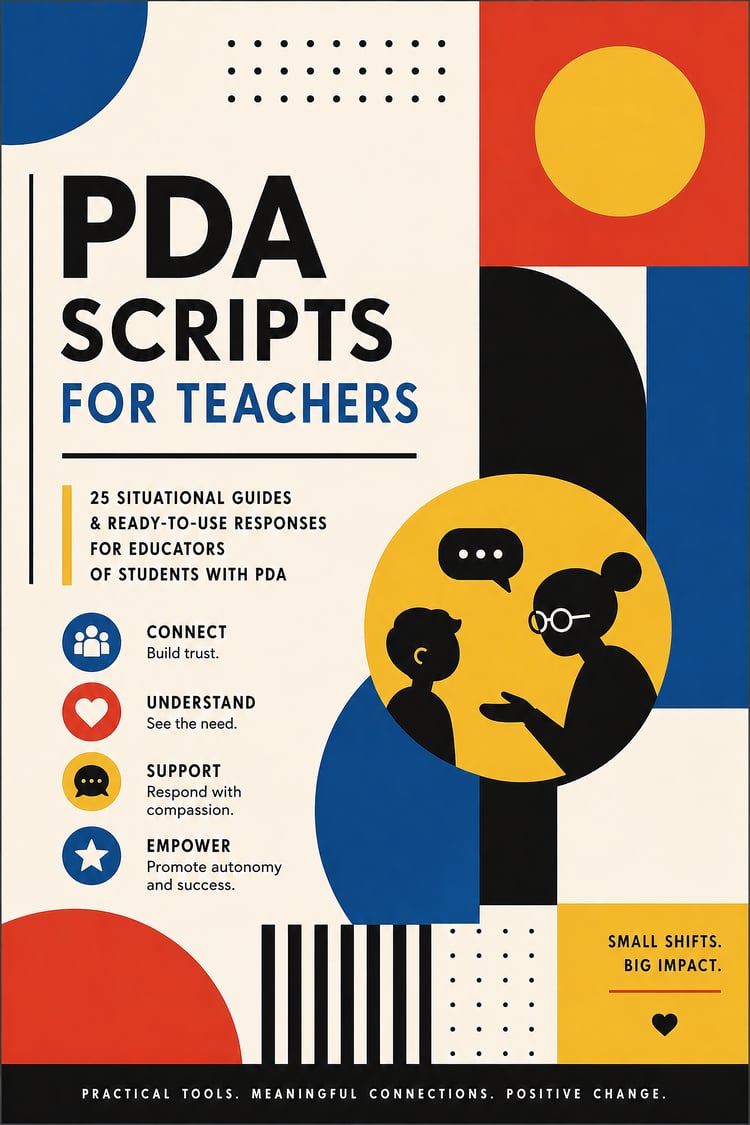
Understand Pathological Demand Avoidance (PDA) in the school environment and discover practical, compassionate ways to support students whose nervous systems respond strongly to demands, pressure, uncertainty, and loss of autonomy.
This 40-page professional guide was created for special education teachers, parents, school counselors, support staff, and other professionals who want to better understand PDA profiles and move beyond interpretations such as defiance, manipulation, laziness, or noncompliance.
Using a neurodiversity-affirming and relationship-based approach, the guide explores what may be happening underneath demand avoidance and provides realistic strategies that can be applied across school and home environments.
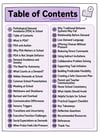
What You'll Find Inside
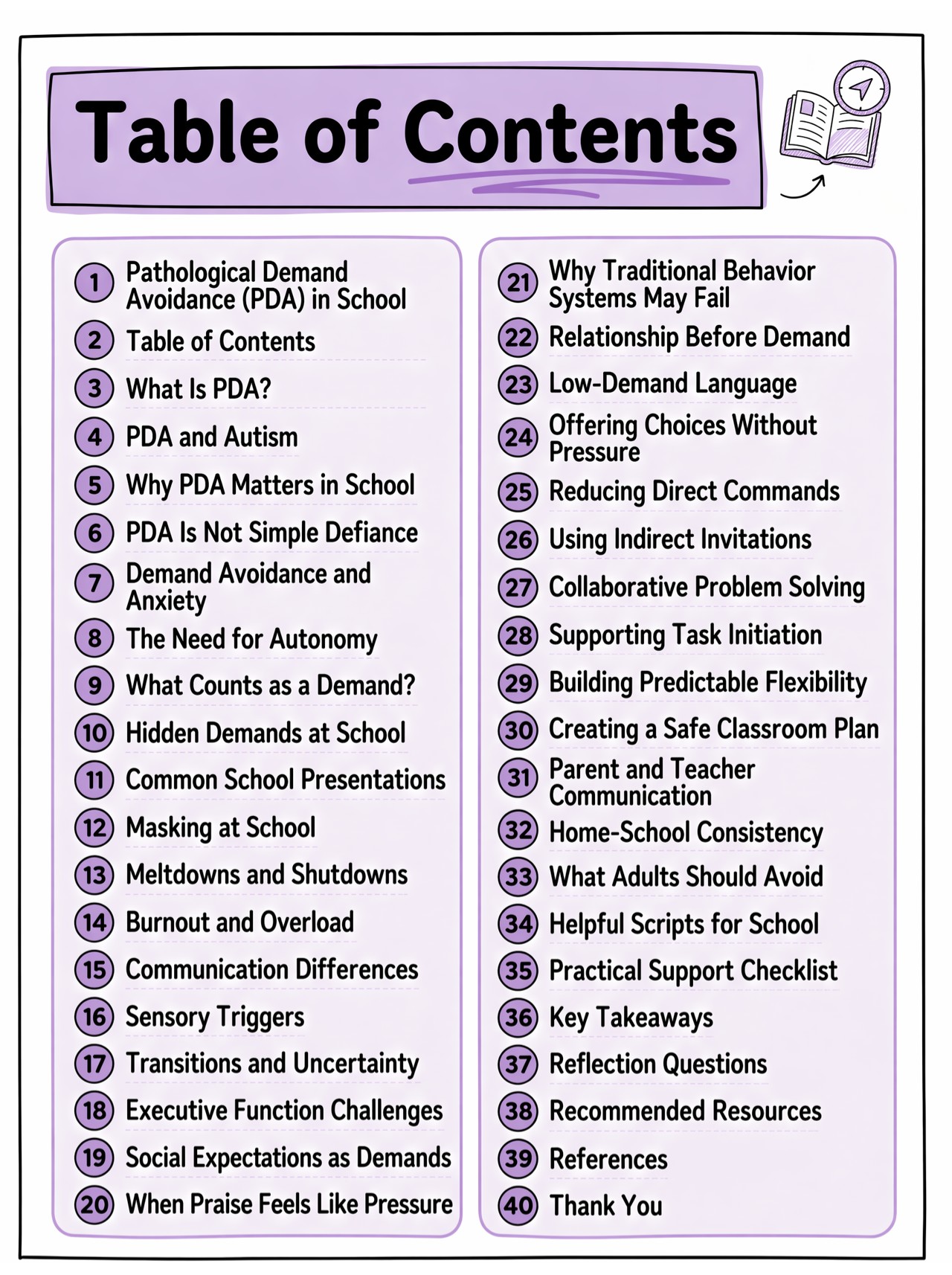
Understanding PDA
Explore key concepts including:
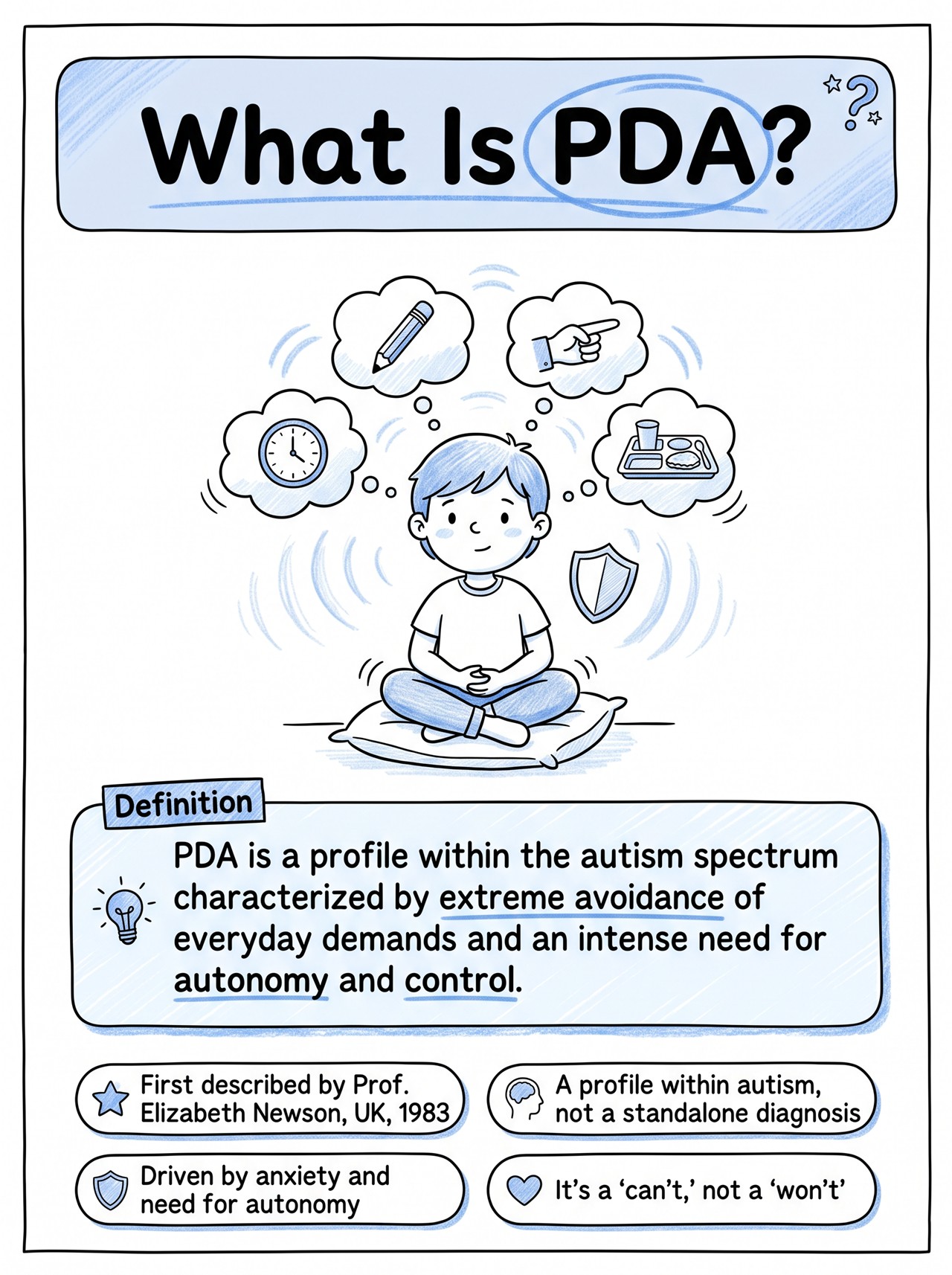
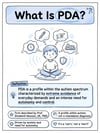
- What PDA is and how the term is used
- PDA and its relationship to autism
- Why PDA matters in school
- Demand avoidance and anxiety
- The importance of autonomy and control
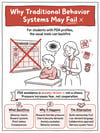
- Why PDA should not automatically be interpreted as simple defiance
Recognizing Demands at School
Learn how demands can extend far beyond direct instructions.
The guide explores:
- Everyday classroom demands
- Hidden demands at school
- Social expectations as demands
- Transitions and uncertainty
- Sensory triggers
- Executive functioning challenges
- Situations where praise may feel like pressure
Understanding the Student's Experience
Explore common school presentations that may include:
- Masking
- Meltdowns and shutdowns
- Burnout and overload
- Communication differences
- Difficulty initiating tasks
- Anxiety around expectations
- Strong responses to perceived loss of autonomy
The focus is on asking “What is making this situation difficult?” rather than simply “How do we make the student comply?”
Practical PDA-Informed Strategies
The guide introduces practical approaches for reducing unnecessary pressure while maintaining meaningful educational support, including:
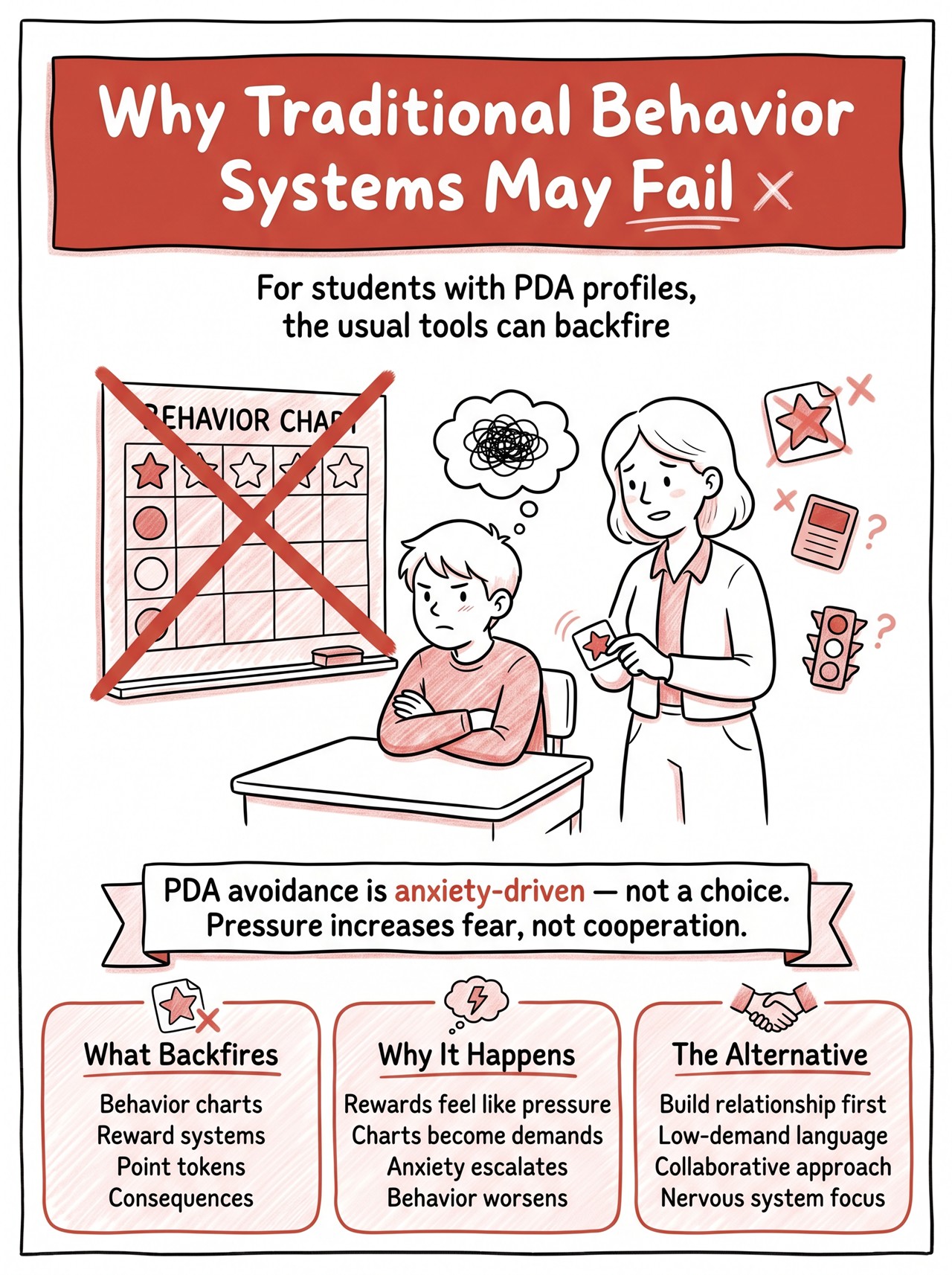
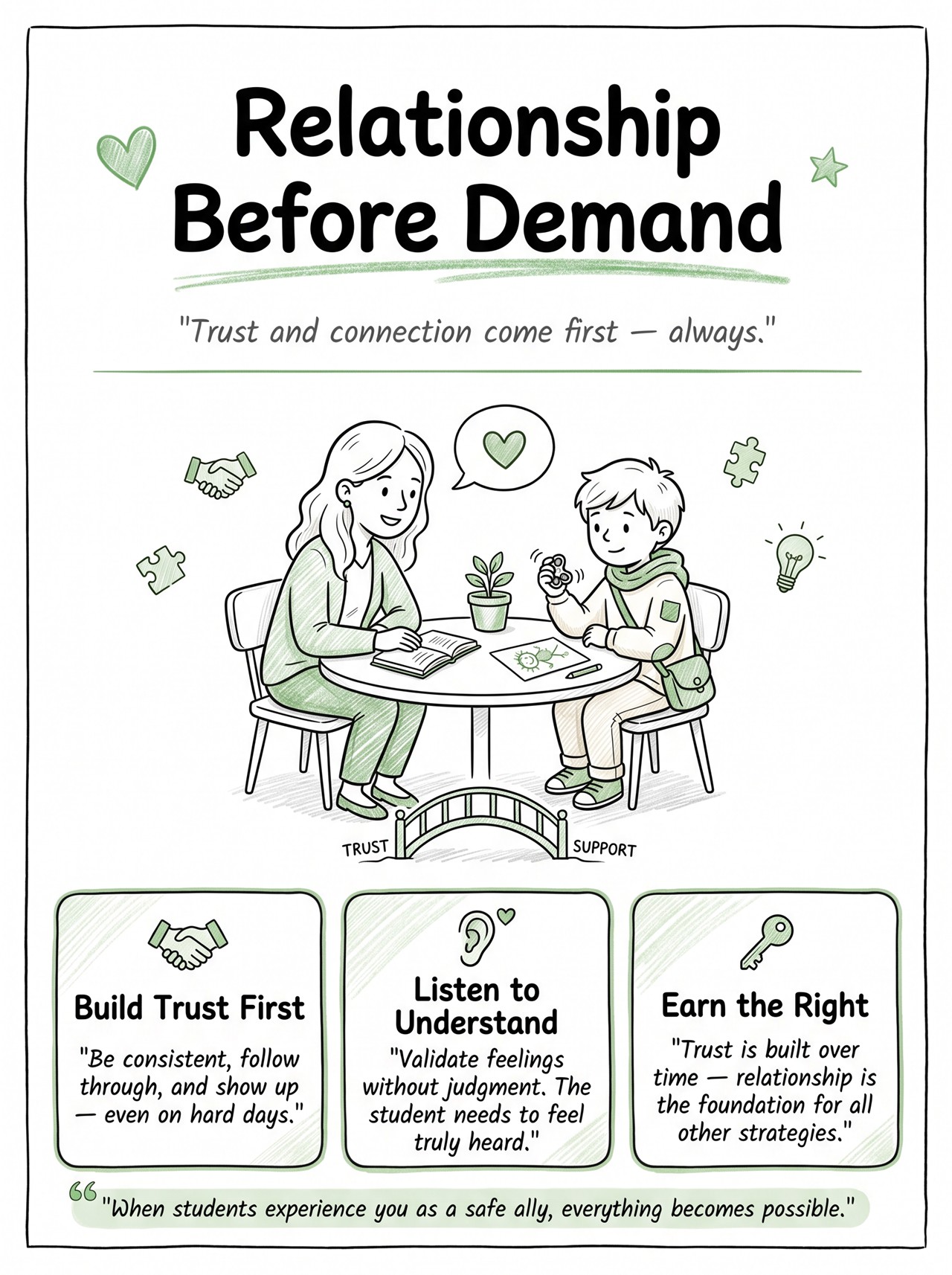
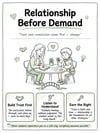
- Relationship before demand
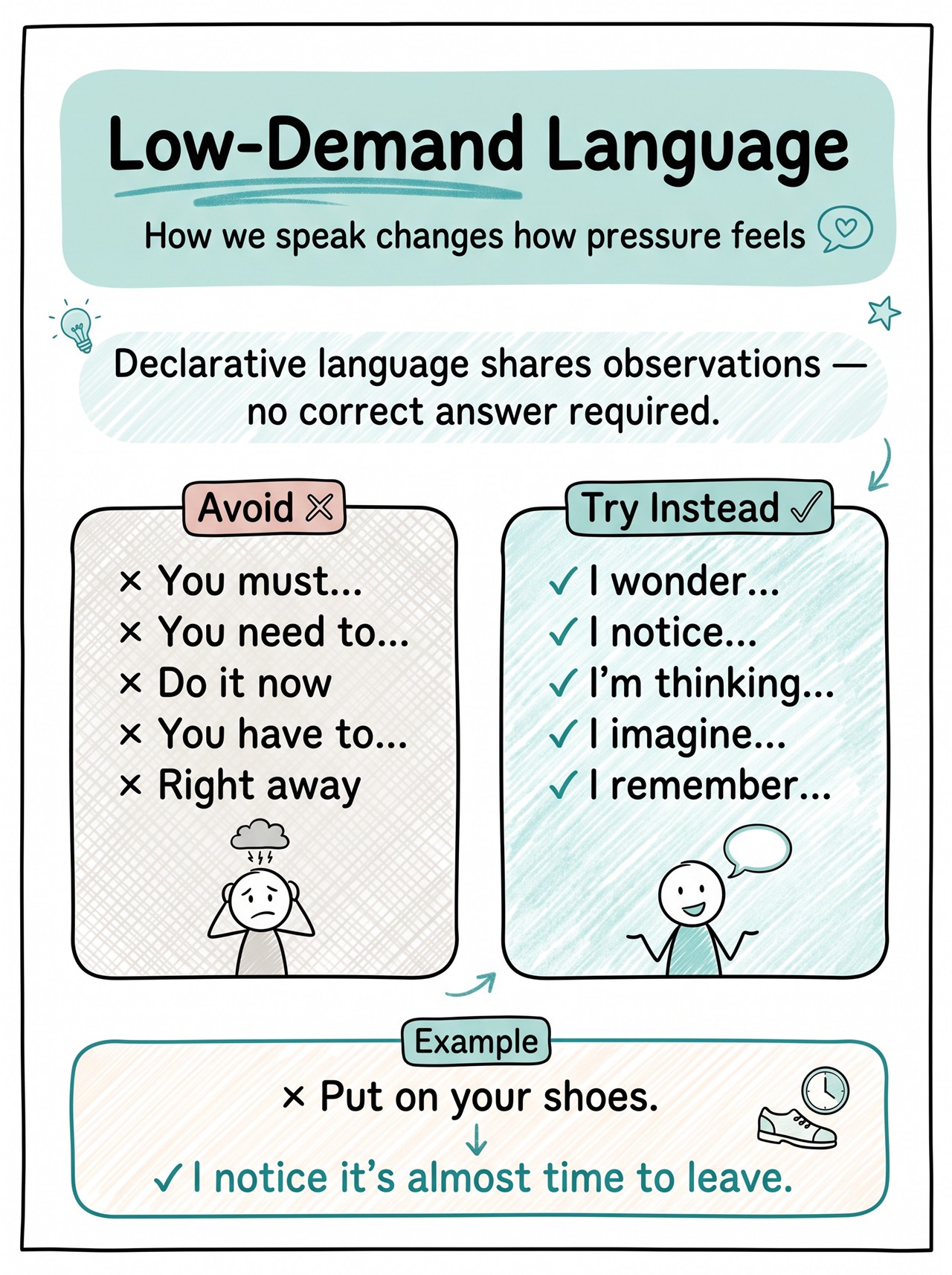
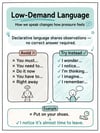
- Low-demand language
- Offering choices without adding pressure
- Reducing direct commands
- Using indirect invitations
- Collaborative problem-solving
- Supporting task initiation
- Building predictable flexibility
- Creating safer classroom plans
Home-School Collaboration
Supporting a student with a PDA profile often requires adults to work together.
Dedicated sections explore:
- Parent and teacher communication
- Home-school consistency
- Understanding differences between home and school presentations
- Creating shared support strategies
Helpful Tools for Adults
The final sections provide practical resources that educators and families can return to when needed, including:
- What adults should avoid
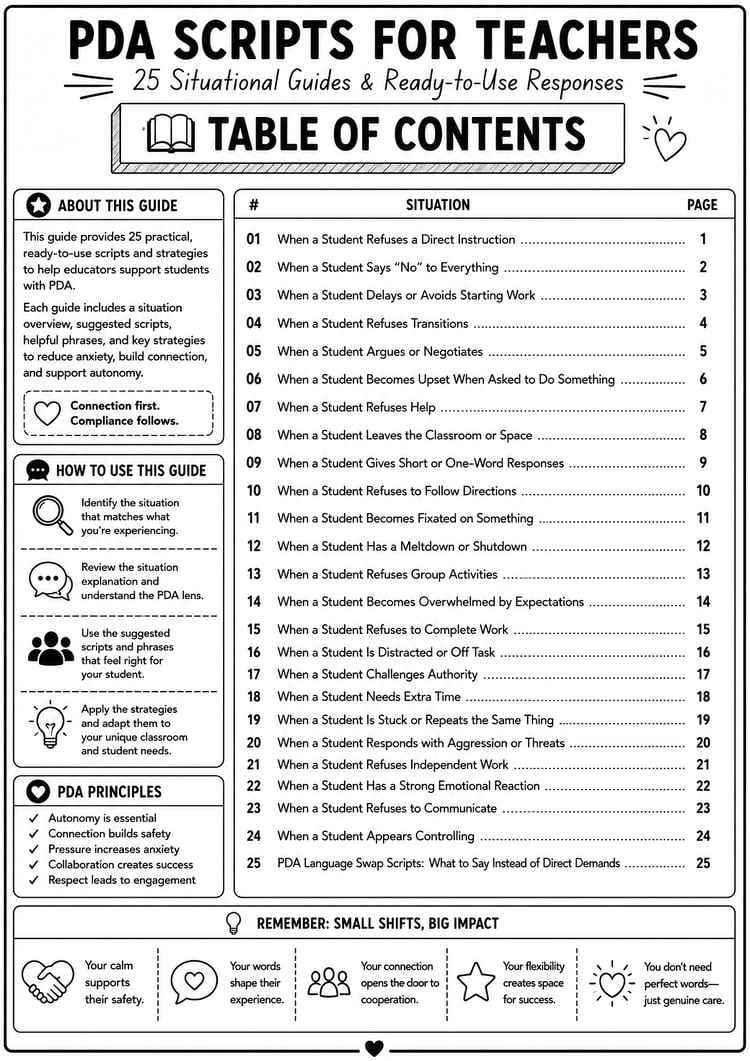
- Helpful school scripts
- Practical support checklist
- Key takeaways
- Reflection questions
- Recommended resources
- References
Perfect For
Special Education Teachers • Parents & Caregivers • Inclusion Teachers • School Counselors • Paraprofessionals • Behavior Support Staff • School Psychologists • Related Service Providers • Autism Support Teams
Why This Guide Is Different
This resource encourages adults to look beyond observable behavior and consider anxiety, nervous-system responses, autonomy, sensory needs, executive functioning, communication differences, and environmental demands.
Instead of relying primarily on rewards, consequences, increased pressure, or compliance-based approaches, the guide emphasizes understanding, collaboration, flexibility, safety, and relationship-building.
The goal is not to remove every expectation. It is to create conditions in which students have a greater chance of feeling safe, understood, supported, and able to participate.
Resource Details
40 Pages • Digital PDF • Printable Professional Guide • Teacher & Parent Friendly • Practical School Strategies • Neurodiversity-Affirming Approach
Created by BERMED
Understanding the need behind demand avoidance can change the way we support the student.