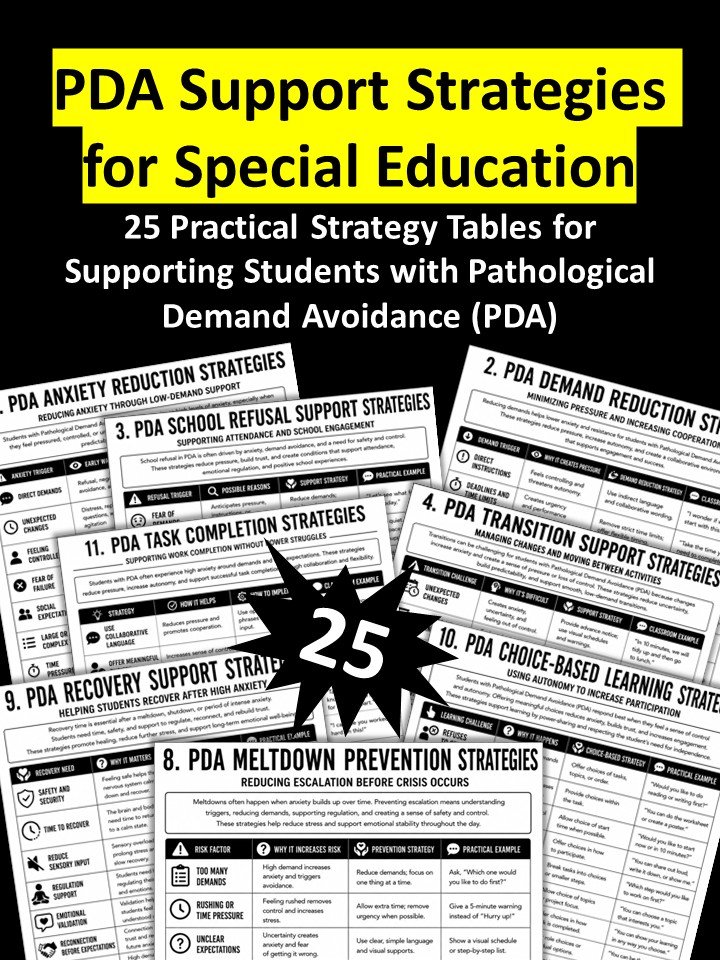
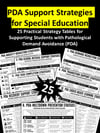
PDA Support Strategies for Special Education : 25 Practical Strategy Tables
A practical 25-page reference resource designed to help special education teachers, support staff, and families better understand and respond to the needs of students with a PDA profile (Pathological Demand Avoidance / Persistent Drive for Autonomy).
Rather than focusing only on refusal or compliance, this resource encourages educators to look at anxiety, perceived demands, autonomy, sensory needs, overwhelm, predictability, trust, and regulation when planning support.
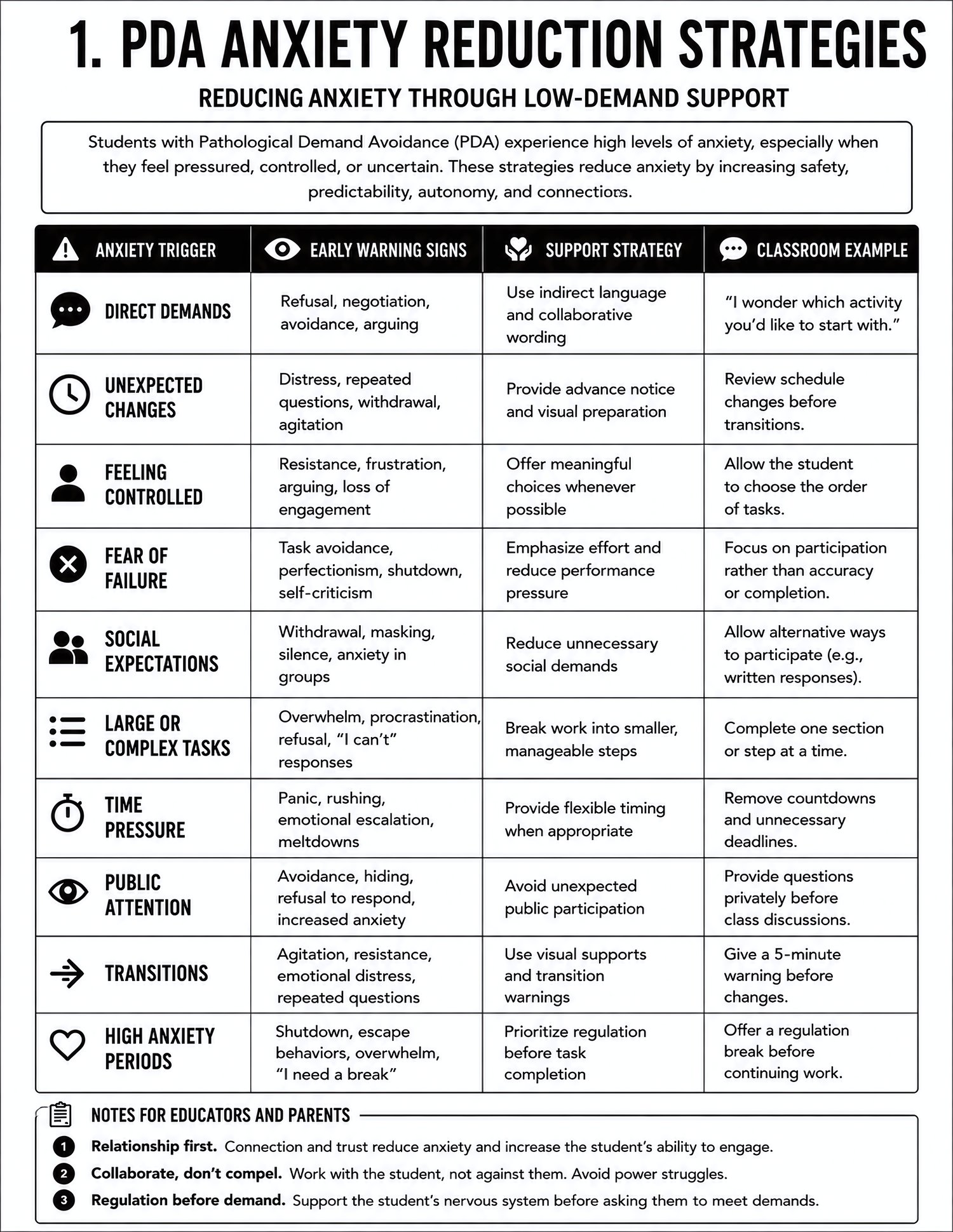
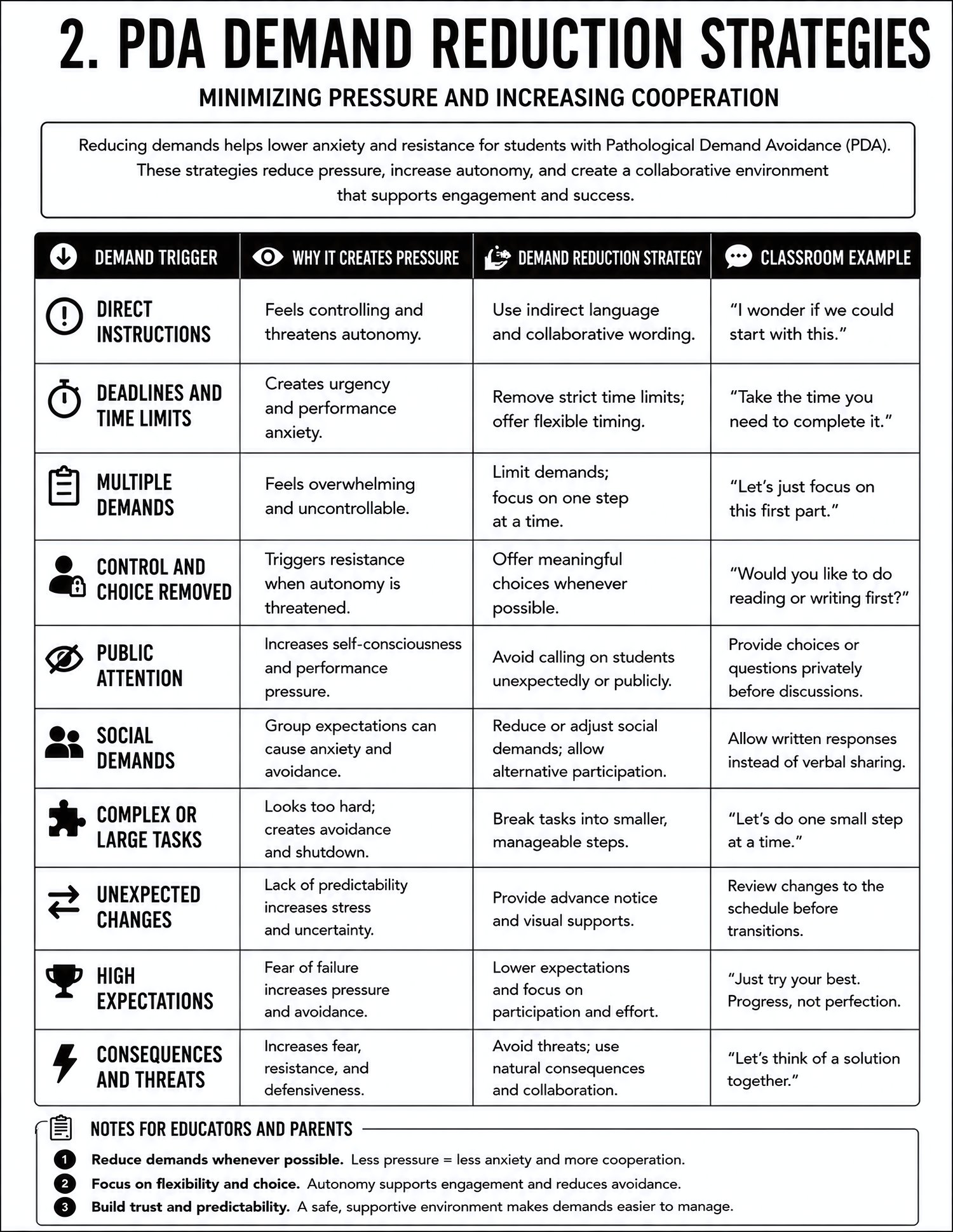
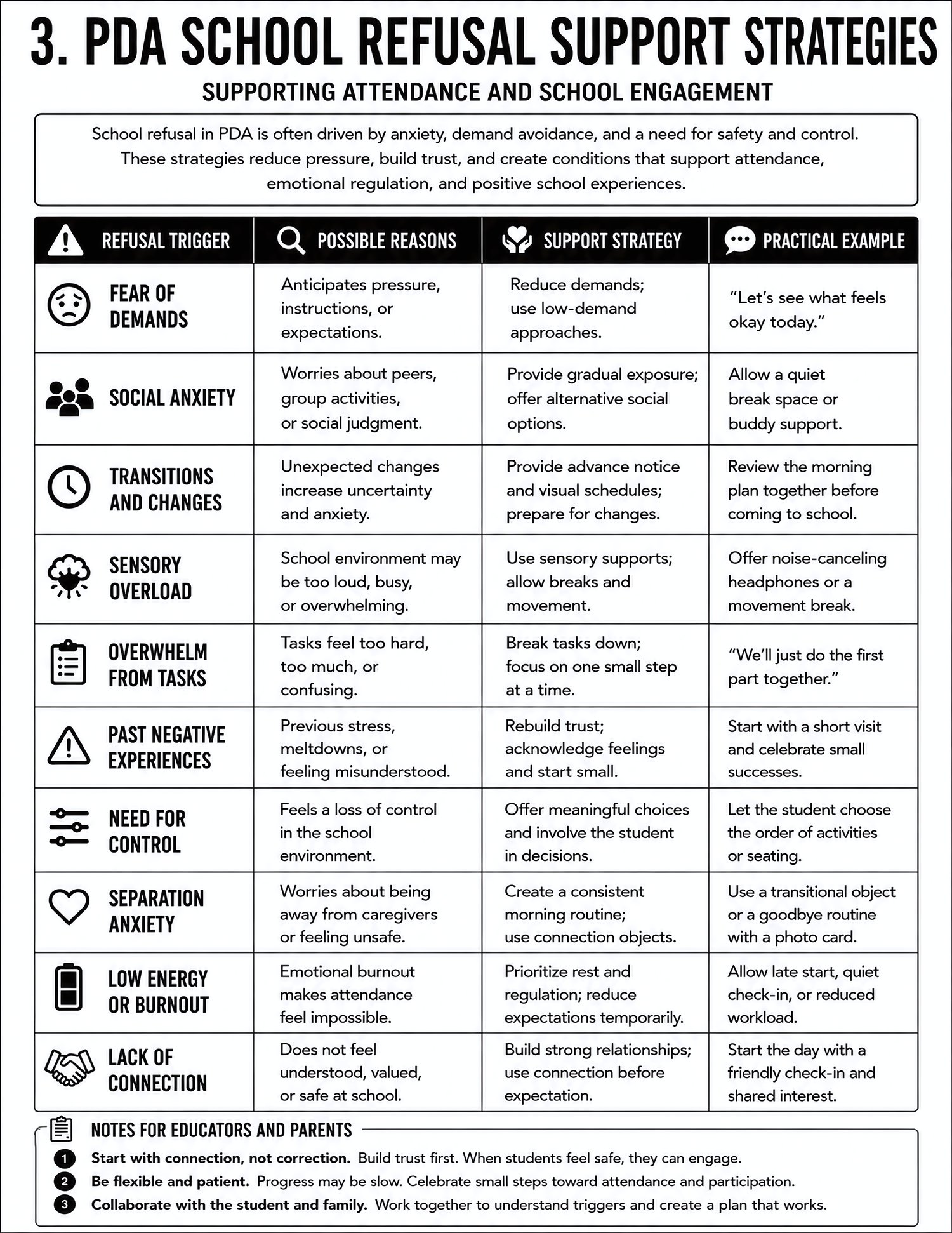
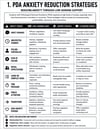
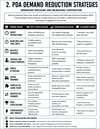
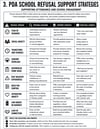
Each page provides an easy-to-scan strategy table connecting:
- What you may observe
- Possible reasons behind the response
- Support strategies
- Practical classroom examples
- Low-demand and collaborative approaches
- Quick reminders for educators and parents
Topics Covered
The 25 strategy tables address everyday areas such as anxiety reduction, demand reduction, school refusal, transitions, choice and autonomy, task initiation and completion, meltdown prevention, recovery after high anxiety, sensory needs, communication, emotional regulation, classroom participation, and relationship-based support.
Teachers can use the resource as a quick-reference guide when planning accommodations, discussing student needs with a team, preparing classroom supports, or deciding how to respond during difficult moments.
The emphasis throughout is on reducing unnecessary pressure, preserving dignity and autonomy, building trust, supporting regulation, and creating conditions in which participation becomes more achievable.
Digital PDF • 25 Practical Strategy Tables • Special Education Resource • Classroom & Home Support • by BERMED